


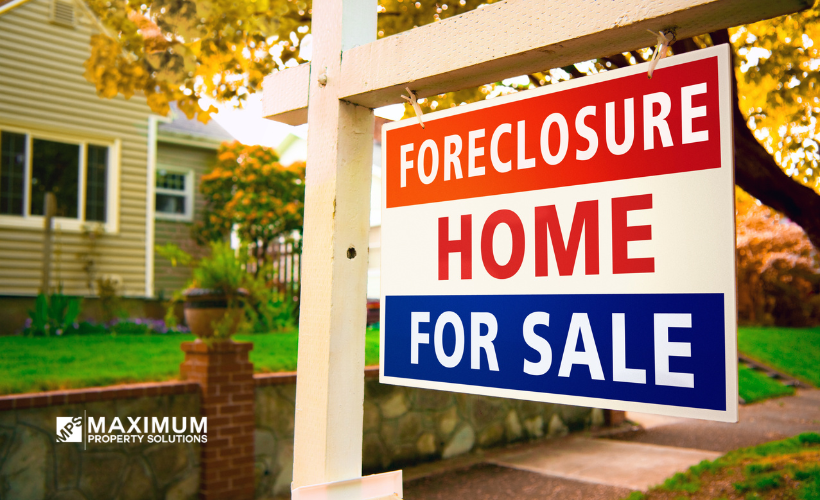
Foreclosure property rehabilitation in Ontario is one of the most lucrative investment opportunities for property owners who know how to look past a rough exterior. Ontario’s Power of Sale process creates significant rewards for investors willing to do the work. However, buying a distressed property successfully means understanding what you’re getting into from day one. Rehabilitating distressed properties requires more than a renovation budget. It requires a clear plan for legal compliance, repair sequencing, and long-term management. Windsor-Essex has seen a significant rise in Power of Sale activity. This guide walks through the full rehabilitation process from acquisition to income-generating rental property.
How Power of Sale Works in Ontario
Most people assume foreclosure in Ontario works the same way it does in the United States. It doesn’t. True foreclosure — where the lender takes ownership of the property — is rare here. Instead, Ontario lenders rely on the Power of Sale method, which forces a sale to recover the outstanding debt. Bank-owned properties from traditional foreclosure sales make up only a small portion of available distressed inventory. Lenders often sell properties through Power of Sale under tight timelines. This creates uncertainty if buyers aren’t prepared. Here’s what every investor needs to know going in.
- Lenders sell properties as-is and take no liability for defects or hidden damage
- Homeowners have a redemption period of 30 to 45 days. This can drag out each sale without warning
- You must clear title issues — such as unpaid taxes, liens, or legal encumbrances — before closing
- Inspection windows are short, so buyers must move quickly without skipping due diligence
Understanding these conditions helps investors mitigate risk and avoid costly surprises after the purchase is complete.
How to Spot Real Value in Distressed Properties
Not every distressed property is worth rehabilitating. Experienced investors learn to spot properties where poor presentation or deferred maintenance hides real value — not a genuine structural or legal problem. Purchasing a distressed property at the right entry point separates profitable projects from expensive pitfalls. Windsor-Essex has a growing supply of overlooked properties that buyers reject based on appearances alone. When you purchase distressed real estate here, focus on what actually matters.
- Location quality: access to schools, transit, employment, and local amenities
- Structural soundness: solid foundation and framing, even if the surface looks neglected
- Zoning potential: properties in areas that support garden suites, added units, or lot severance
- Seller motivation: circumstances like divorce or probate often create room for price concessions and flexible terms
- Rental income potential: vacant or underused properties that can generate strong cash flow after rehabilitation
Acting quickly in competitive Windsor-Essex markets matters. Once competitive offers start coming in, the best deals disappear fast.
The Rehabilitation Process: Step by Step
Restoring a distressed property to rentable condition follows a clear sequence. Skipping that plan leads to cost overruns — from pest infestations to environmental issues buyers didn’t catch at purchase. Following this process keeps projects on track.
- Pre-Purchase Home Inspection: Bring in a licensed inspector and structural engineer before closing. Look for mold, foundation damage, knob-and-tube wiring, lead-based paint, and asbestos. Asbestos is a serious health hazard in Ontario homes built before 1980.
- Professional Cleanout: Dispose of debris, abandoned items, and contaminated materials right away. Licensed abatement contractors must handle asbestos and lead paint removal under Ontario law.
- Structural and Systems Upgrades: Address all structural issues and update the HVAC, plumbing, and electrical systems to meet current Ontario Building Code. You need this step to qualify for occupancy permits and insurance eligibility.
- Targeted Renovations: Prioritize necessary repairs in kitchens and bathrooms, which deliver the strongest return on investment. Renovate to the neighbourhood standard — over-improving relative to comparable homes cuts into your return.
- Curb Appeal: Fresh exterior paint, landscaping, and repaired fencing shape first impressions. They also directly affect achievable rents.
Always build a 20% contingency into your renovation budget. Hidden problems are standard in distressed properties. Running out of funds mid-project is one of the most common reasons rehabilitations fail.
Navigating Legal Issues and Compliance Requirements
Ontario’s rules around property rehabilitation are detailed, and ignoring them is expensive. Non-compliance can delay your occupancy permit, void your insurance, and expose you to serious penalties. Getting on top of these requirements early simplifies the entire process.
- Building Permits: Required for any structural work, basement finishing, electrical upgrades, plumbing changes, or additions to the property
- Zoning By-laws: Converting a home to a multi-unit rental requires municipal approval and must align with Windsor-Essex classifications
- Heritage Designation: Properties listed under the Ontario Heritage Act need special approvals before structural changes can begin
- Environmental Standards: Licensed abatement contractors must fully remove all asbestos and lead paint
Local contractors familiar with Windsor-Essex permit requirements keep projects moving and reduce the chance of expensive rework after inspection.

Turning Rehabilitation Costs into Real Returns
The financial approach you choose shapes whether rehabilitation delivers a fast exit or a long-term income stream. Before committing to any property, study local market trends. Know what comparable homes are selling and renting for — these numbers directly affect your projected ROI.
The fix-and-flip strategy means purchasing, rehabilitating, and reselling to prospective buyers at restored market value. This delivers strong ROI when you control costs and set a realistic timeline. Canada offers a healthy resale market for restored homes in mid-sized cities like Windsor. A well-planned project can achieve a fast turnaround when execution is tight.
The BRRR method — Buy, Renovate, Rent, Refinance — is built for investors growing a rental portfolio over time. After rehabilitation, you place tenants, stabilize cash flow, then refinance to pull out equity for the next property. Conventional lenders often pass on properties in poor condition. Most investors use private lenders or specialized fix-and-flip financing during rehabilitation.
Why Property Management Is the Final Step in Any Successful Rehabilitation
Finishing the renovation is not the finish line. If you’re using the BRRR method or holding for long-term rental income, professional property management protects your work and maximizes every restored property’s potential. Without it, a well-rehabilitated home can drift back toward distressed condition in just a few years. Maximum Property Solutions helps Windsor-Essex investors navigate the full transition from rehabilitated property to stable rental income.
Maximum Property Solutions coordinates final repairs, thorough tenant screening under Ontario’s Residential Tenancies Act, and ongoing Landlord and Tenant Board compliance. Managing your restored asset is straightforward and stress-free. Services cover regular inspections, rent collection, lease management, and maintenance coordination, everything needed to keep your property generating income and holding its value.
Start Your Rehabilitation the Right Way with Maximum Property Solutions
Foreclosure property rehabilitation in Ontario offers strong, measurable returns. Success requires understanding the risks, following the right process, and having the right team at each stage. Every step benefits from experienced local guidance from Power of Sale acquisition through structural restoration, code compliance, and rental management. Maximum Property Solutions partners with Windsor-Essex investors from the pre-purchase assessment all the way through post-rehabilitation property management.
We are ready to help you restore market value and build reliable long-term income whether it’s your first distressed property or your next portfolio addition. Maximum Property Solutions is ready when you are with complete solutions for foreclosure property rehabilitation in Ontario. Contact Maximum Property Solutions today to book your property assessment and start the conversation.
